Revolutionizing Real Estate: How AI is Transforming Property Valuation, Virtual Tours, and Predictive Market Analysis

The real estate industry is undergoing a transformative shift with the advent of artificial intelligence (AI). This article delves into the myriad ways AI is revolutionizing the sector, from enhancing property valuations to providing immersive virtual tours and sharpening market predictions. As we explore the application of AI in real estate, we uncover how it is reshaping decision-making processes, client engagement, and the overall market dynamics, offering a forward-looking perspective on the future of real estate in the AI era.
Key Takeaways
- AI is significantly increasing the accuracy and efficiency of property valuations, transforming traditional, labor-intensive processes.
- Virtual tours enhanced by AI are providing immersive, remote viewing experiences, reshaping client engagement and satisfaction.
- Predictive analytics powered by AI are revolutionizing market trend analysis, offering profound insights for investment strategies.
- AI-driven innovations in property management are streamlining operations, from automating routine tasks to optimizing asset performance.
- The integration of AI in real estate is altering market dynamics, providing data-driven insights that are transforming decision-making and investment opportunities.
Enhancing Property Valuation with AI

Accuracy and Efficiency in Appraisals
The advent of AI Property Valuation Tools has marked a significant leap forward in the realm of real estate appraisals. These tools, powered by Automated Valuation Models (AVMs), are revolutionizing the industry by providing rapid, data-driven property assessments. Unlike traditional methods, which are often costly and time-consuming, AVMs harness sophisticated algorithms and a wealth of data to deliver a fresh perspective on property values.
By analyzing key factors such as recent sales, market trends, and property features, AI Property Valuation Tools ensure a more factual and objective understanding of a property's worth. This shift towards fact-driven data not only enhances the accuracy of appraisals but also greatly improves their efficiency.
The benefits of these tools are not just theoretical; they are quantifiable. Consider the following table showcasing the efficiency gains:
| Traditional Appraisal Time | AI Appraisal Time | Efficiency Gain |
|---|---|---|
| 2-3 weeks | 24-48 hours | Over 90% |
Embracing AI in property valuation is not just about keeping pace with technology—it's about staying ahead in a competitive market. For professionals in the real estate sector, adopting these tools is no longer an option but a necessity to ensure accurate and efficient appraisals. As we continue to witness the transformative power of AI, it's clear that the future of real estate valuation lies in the hands of these advanced technologies.
Integrating Big Data for Comprehensive Assessments
In the realm of real estate, big data is the cornerstone of innovation, providing a foundation for AI-driven analytics that revolutionizes businesses. By harnessing structured data from diverse sources such as construction licenses, zoning laws, property surveys, and titles, AI empowers professionals with a new caliber of decision-making tools.
The integration of AI and ML into the real estate ecosystem not only enhances efficiency and profitability but also ensures that strategic decisions are informed by a comprehensive analysis of vast data sets.
AI algorithms are adept at processing and analyzing large volumes of data, offering insights into market trends and consumer behavior that were previously unattainable. This intelligent data processing is transforming the industry, moving away from traditional methods to adaptive learning systems capable of interpreting real-time data.
- AI-driven analytics revolutionizes businesses
- Actionable insights accelerate growth
- Enhancing strategic agility
The symbiosis of AI with IoT in smart homes exemplifies the transformative power of integrated technologies, where real-time sensor data can significantly enhance living experiences and property values. As we continue to navigate the digital transformation of the real estate sector, the role of AI in predictive maintenance and asset management becomes increasingly pivotal.
AI's Role in Standardizing Valuation Processes
The advent of AI in real estate has ushered in a new era of standardization in property valuation, ensuring a level of consistency and objectivity previously unattainable. Automated Valuation Models (AVMs) are at the forefront of this transformation, leveraging vast datasets to deliver precise valuations at unprecedented speeds.
The integration of AI into valuation processes not only enhances accuracy but also democratizes data, allowing for transparent and equitable property assessments.
This standardization is particularly beneficial for stakeholders who require reliable valuations for diverse purposes, from setting competitive prices to strategic investment planning. Here's how AI is making a difference:
- Efficiency: AI systems rapidly analyze historical sales and current market data.
- Accuracy: Algorithms consider a multitude of factors, including location and market conditions.
- Objectivity: AI provides unbiased assessments, minimizing human error and subjectivity.
As we continue to witness the digital transformation of the real estate sector, it is imperative for professionals to embrace these AI-driven tools. By doing so, they can ensure that their valuation practices are not only aligned with current technological advancements but are also poised to adapt to future market dynamics. Engage with an AI developer like Stas Sorokin, who specializes in integrating cutting-edge AI solutions, to stay ahead in the competitive real estate landscape.
AI-Led Virtual Property Tours: A New Reality in Real Estate

Immersive Experience with Virtual and Augmented Reality
Step into the future of real estate with AI-driven virtual and augmented reality tours that are transforming the way we view properties. Potential buyers can now traverse through a digital twin of the property, experiencing every detail as if they were physically present. This leap in technology not only enhances the buyer's journey but also streamlines the sales process for agents.
The benefits of virtual tours extend beyond mere convenience; they represent a paradigm shift in property showcasing. Here's a glimpse of what AI-powered tours offer:
- Realistic impressions of the property's space and ambiance
- The ability to explore properties globally without geographical constraints
- Significant savings in time and resources for both buyers and agents
- An increased reach to a wider audience, potentially boosting sales
Embrace the digital transformation that is redefining property tours. The immersive experiences crafted by AI are not just about viewing a space; they are about feeling and understanding it from anywhere in the world.
As we continue to witness the evolution of PropTech 2.0, companies like Matterport are leading the charge, offering sophisticated 3D experiences that are reshaping the industry. The integration of AI in real estate is not just a trend; it is the cornerstone of a new era where every interaction with a property becomes a personalized journey.
Remote Property Showcasing and Exploration
In the realm of real estate, AI-Driven Virtual Real Estate Tours have emerged as a game-changer, particularly for remote property showcasing and exploration. These tours represent a significant leap from static images to dynamic, interactive experiences. They allow potential buyers to view properties in remote locations or at any time that suits them, thus overcoming traditional barriers of distance and scheduling.
- Virtual Property Tours: Bringing Properties to Life
- AI Enhancements in Property Listings
The integration of Visual AI into property listings has not only made them more immersive but also more informative. By providing a comprehensive virtual experience, buyers can make more informed decisions, and agents can reach a broader audience. This technology has proven to be invaluable, especially during the Covid-19 pandemic, and continues to shape the future of real estate.
Implementing these AI-driven virtual property tour tools will not only position your agency at the forefront of real estate innovation but also augment its reputation as a customer-centric, technology-driven entity.
As we continue to witness the transformation of the real estate sector, it is clear that AI enhancements are not just a fleeting trend but a cornerstone of modern property marketing. Embrace the digital revolution and let AI take your property listings to the next level. Visit the Bles Software website to discover more about AI-driven automation and the transformative impact it has on industries like real estate.
The Impact of AI on Client Engagement and Satisfaction
In the realm of real estate, AI-driven analytics revolutionize customer engagement, enhancing understanding, loyalty, and revenue. AI for Real Estate Agents is not just a buzzword; it's a transformative tool that personalizes the client journey. By meticulously analyzing customer preferences and past interactions, AI crafts a bespoke experience, ensuring properties align with client aspirations.
- Personalization: AI tailors property suggestions to individual client needs.
- Efficiency: Streamlines interactions, making the customer journey smoother.
- Satisfaction: Leads to higher brand loyalty and customer contentment.
AI and Real Estate Customer Service go hand in hand, fostering a symbiotic relationship that benefits both agents and clients. The strategic investment in AI propels real estate firms into a new era of service delivery, where routine tasks are automated, and agents are empowered to focus on strategic, relationship-building activities.
The integration of AI in real estate is not a distant future—it's an immediate reality. Firms that embrace this technology are setting the stage for enhanced service delivery, meeting customer expectations with unprecedented precision.
As we witness the success stories of early adopters, it's clear that the strategic use of AI in real estate is a game-changer. It's time to harness the power of AI to not only meet but exceed client expectations. Let's embark on this journey together—transform your practice, engage your clients, and secure your competitive edge in the bustling real estate market.
Predictive Market Analysis through AI
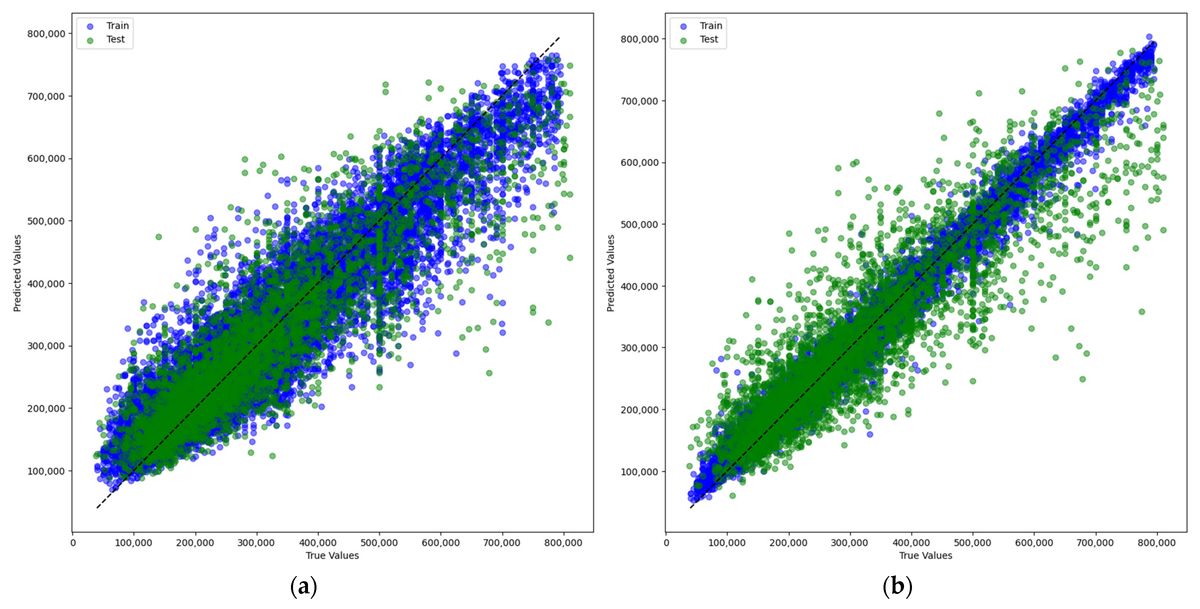
Forecasting Real Estate Trends with Machine Learning
The advent of machine learning in real estate has ushered in an era of unprecedented predictive power. By harnessing vast amounts of data, AI-driven models are not just predicting future market trends but are also providing a granular view of property valuations and investment opportunities. This analytical prowess is not only about foresight but also about enabling stakeholders to make informed decisions with a level of precision that was once the domain of speculation.
The integration of machine learning into market analysis is transforming the landscape of real estate, offering a crystal ball into the future of property values and market directions.
The implications of this are profound, as businesses leverage AI insights for growth and competitive intelligence, fundamentally altering the decision-making process. The table below encapsulates the transformative impact of AI on real estate market analysis:
| Year | Predicted Growth Rate | Market Value (in billion USD) |
|---|---|---|
| 2024 | 35% | 1,355.89 |
As we continue to navigate the digital transformation of the real estate sector, it is clear that AI-driven predictive analytics revolutionize market analysis, enabling personalized experiences and real-time service adaptation. The call to action for industry professionals is to embrace these advancements, ensuring they remain at the forefront of innovation and continue to provide value to their clients. Are you ready to harness the power of AI in your real estate endeavors?
Enhancing Investment Strategies with Predictive Analytics
In the dynamic world of real estate investment, the integration of AI-driven predictive analytics is not just a trend—it's a revolution. Investors are now equipped with the power to anticipate market shifts and property value fluctuations with unprecedented precision. This foresight is pivotal in crafting investment strategies that are resilient, informed, and ahead of the curve.
The transformative impact of predictive analytics in real estate investment can be distilled into several key benefits:
- Risk Mitigation: By forecasting potential market downturns, investors can safeguard their portfolios against unforeseen losses.
- Opportunity Identification: AI algorithms highlight emerging markets and undervalued properties, offering a competitive edge.
- Strategic Asset Allocation: Data-driven insights guide the distribution of investments across various property types and locations to optimize returns.
The strategic application of predictive analytics is reshaping the investment landscape, empowering professionals to navigate the complexities of the market with confidence and agility.
As we delve deeper into the digital age, the role of AI in real estate becomes increasingly integral. It's not just about keeping pace—it's about setting the pace. Embrace the digital transformation and harness the full potential of AI to revolutionize your investment strategies. The future of real estate is unfolding before us; be a part of it.
The Future of Real Estate Market Research
As we stand on the brink of a new era, the Predictive Market Analysis AI is poised to redefine the landscape of real estate market research. The integration of Real Estate Data Analysis AI into the sector is not just a trend; it's a transformative force that will shape the future of how we understand and predict market dynamics.
The power of AI to analyze vast datasets and uncover patterns offers an unprecedented advantage in forecasting. This is not mere speculation; it's a data-driven promise of enhanced precision and strategic foresight.
The implications for investors and real estate professionals are profound. With AI, the ability to anticipate market shifts becomes more than intuition—it's an informed strategy backed by data. Here's how AI is revolutionizing the field:
- Enhanced predictive capabilities: AI algorithms can process and analyze data at a scale and speed unattainable by human analysts.
- Dynamic market insights: Real-time data analysis allows for a more agile response to market changes.
- Strategic investment planning: AI-driven forecasts enable investors to identify opportunities and risks ahead of the curve.
Embrace the future of real estate market research with Predictive Market Analysis AI. It's time to leverage the full potential of Real Estate Data Analysis AI to stay ahead in a competitive market. The question is no longer if AI will transform market research, but how quickly you can adapt to harness its power. Are you ready to lead the charge?
AI in Property Management: Streamlining Operations

Automating Routine Tasks and Maintenance
In the realm of property management, AI-driven automation is a game-changer, offering a new level of efficiency and precision. By automating routine tasks, AI systems enable property managers to shift their focus from mundane activities to more strategic initiatives. This not only enhances the quality of services provided but also ensures a more personalized approach to tenant interactions.
AI-enabled predictive maintenance represents a significant leap forward in asset management. By utilizing machine learning algorithms, these systems can analyze data from sensors, maintenance records, and historical trends to anticipate maintenance needs. This proactive strategy is not just about preventing failures but optimizing the lifecycle of assets, ensuring that interventions are timely and cost-effective.
The integration of AI in property management goes beyond mere automation; it transforms the very fabric of maintenance and operations, leading to smarter, more sustainable practices.
For instance, the implementation of IoT sensors across properties allows for real-time monitoring of equipment health, enabling prompt and precise repairs. This approach contrasts sharply with traditional preventive maintenance, which often leads to unnecessary expenses and the premature replacement of functional parts. AI's predictive capabilities ensure that resources are utilized optimally, paving the way for successful project outcomes without material waste.
Embrace the transformative power of AI in your property management strategy. Harness predictive analytics and automation to not only streamline operations but to elevate the value of your real estate assets. The future is here, and it's time to adapt.
AI-Driven Tenant Screening and Lease Management
The advent of AI in tenant screening and lease management marks a paradigm shift in property management. AI systems are revolutionizing the way landlords and property managers interact with potential and current tenants. By automating the screening process, these intelligent systems can quickly analyze vast amounts of data, including credit scores, rental history, and even social media profiles, to assess the suitability of applicants with unprecedented speed and precision.
The integration of AI not only enhances the accuracy of tenant evaluations but also significantly reduces the time and resources spent on manual screenings.
Moreover, AI-driven lease management tools are transforming the administrative landscape of real estate. They enable the automation of lease renewals, rent adjustments, and document management, ensuring that property managers can focus on strategic tasks rather than getting bogged down by paperwork. The table below illustrates the benefits of AI in lease management:
| Benefit | Description |
|---|---|
| Efficiency | Streamlines lease administration processes |
| Accuracy | Reduces human error in document handling |
| Compliance | Ensures adherence to rental laws and regulations |
| Tenant Satisfaction | Improves response time to tenant requests |
Embracing AI in this domain not only elevates operational efficiency but also fosters a more dynamic and responsive relationship between tenants and management. As we continue to witness the digital transformation of the real estate sector, AI's role in tenant screening and lease management is poised to become a cornerstone of property management excellence. Don't miss out on the opportunity to leverage these cutting-edge tools—embrace AI and stay ahead in the competitive real estate market.
Optimizing Asset Performance with AI
In the realm of AI for Property Management, the promise of maintaining real estate assets in peak condition is not just an aspiration but an achievable reality. AI-enabled predictive maintenance and asset management systems represent a paradigm shift in how property performance is optimized. By leveraging machine learning algorithms, these systems scrutinize data from a multitude of sources, including sensors and historical maintenance records, to foresee potential issues and orchestrate preventive strategies.
The proactive approach afforded by AI not only mitigates the risk of expensive repairs but also ensures sustained tenant contentment.
Here's how AI transforms asset management:
- Predictive Maintenance: Anticipating maintenance needs before they become critical problems.
- Risk Assessment: Evaluating potential risks and formulating strategies to minimize their impact.
- Real-Time Performance Data: Providing up-to-the-minute insights on occupancy rates and financial metrics.
By integrating these AI-driven processes, property managers can not only preempt costly breakdowns but also enhance the overall customer experience. The result is a more robust and responsive property management strategy that aligns with the dynamic demands of the real estate market. Embrace the digital transformation and harness the power of AI to elevate your property management to new heights.
The Intersection of AI and Real Estate Market Dynamics

Transforming Decision-Making with Data-Driven Insights
The advent of AI in Real Estate Decision-Making has ushered in an era where precision and foresight are not just ideals but tangible realities. Real estate professionals are now equipped with tools that can dissect and interpret complex data, offering a crystal-clear view of the market's pulse. This seismic shift is not just about the data itself, but about how it's used to drive strategic decisions that were once based on intuition rather than evidence.
The integration of Real Estate AI Innovation into decision-making processes has been nothing short of transformative. It has redefined the landscape, turning what was once a game of chance into a calculated strategy.
AI Real Estate Market Insights provide a competitive edge by revealing patterns and opportunities that are invisible to the naked eye. These insights enable stakeholders to anticipate market movements and act swiftly, ensuring AI for Efficient Real Estate Transactions. The table below encapsulates the impact of AI on decision-making in real estate:
| Aspect | Before AI | With AI |
|---|---|---|
| Market Analysis | Primarily Intuitive | Data-Driven and Predictive |
| Risk Assessment | Qualitative Assessments | Quantitative and Analytical |
| Transaction Efficiency | Time-Consuming Processes | Streamlined and Accelerated |
| Customer Experience | Generic Interactions | Personalized and Responsive |
In the wake of these advancements, it's crucial for industry players to adapt and embrace the digital transformation. The call to action is clear: leverage AI to not only survive but thrive in the ever-evolving real estate market.
The Role of AI in Shaping Investment Opportunities
In the dynamic world of real estate investment, Smart Real Estate Investments AI is not just a buzzword; it's a transformative force. AI-driven analytics revolutionize business decision-making, offering predictive insights, alleviating decision stress, ensuring ethical use, and uncovering hidden patterns for accelerated growth and strategic advantage. This technology equips investors with a powerful toolkit for navigating the complexities of the market, ensuring that every decision is backed by data-driven precision.
AI in Commercial Real Estate is redefining the landscape, providing a competitive edge to those who embrace its capabilities. By leveraging AI, investors can perform a deep dive assessment of risks, from market volatility to legal nuances, ensuring a comprehensive strategy that minimizes potential challenges.
For instance, consider the following advantages AI brings to the table:
- Rapid processing and visualization of market data for competitive market analysis
- Insights into projected ROI to enhance investment strategies
- Analysis of diverse data sources, including social media and news, for accurate market predictions
While the potential of AI is immense, it's crucial to address the challenges it presents, such as data privacy and security, to responsibly harness its power. As we continue to explore the intersection of AI and real estate, it's clear that the future of investment is here, and it's powered by artificial intelligence. Embrace the change, and let AI guide your next investment decision for a smarter, more lucrative future.
Navigating the Digital Transformation of the Real Estate Sector
The real estate landscape is being reshaped by the emergence of AI-Powered Real Estate Platforms, marking a pivotal moment in the sector's digital transformation. These platforms leverage AI-driven analytics to revolutionize strategic planning, market trends analysis, risk management, B2B sales, and decision-making. Embrace AI for sustainable competitive advantages and operational efficiencies.
The integration of AI into real estate is not just a trend; it's a comprehensive overhaul of traditional methodologies. It's an invitation to professionals and investors alike to adapt, innovate, and thrive in an increasingly data-driven market.
The benefits of this digital shift are manifold, and they touch upon every aspect of the industry:
- Enhanced precision in property valuation
- Deeper insights into market dynamics
- Streamlined operations and customer engagement
- Informed decision-making backed by predictive analytics
As we stand at the cusp of this new era, it is crucial for stakeholders to understand the implications and opportunities that AI brings to the table. The journey towards a fully digital real estate sector is underway, and those who are prepared to navigate this change will find themselves at the forefront of an exciting, transformed market landscape.
Embracing the AI Revolution in Real Estate
In summary, the integration of artificial intelligence into the real estate sector marks a pivotal transformation, redefining traditional practices and setting a new benchmark for efficiency and accuracy. AI-driven advancements such as precise property valuations, immersive virtual tours, and predictive market analytics are not only enhancing the decision-making process but also reshaping the landscape of client engagement and market dynamics. As we stand on the cusp of this digital metamorphosis, it is clear that the future of real estate is inextricably linked with the evolution of AI technologies. Stakeholders who adapt to this change will find themselves at the forefront of a more informed, accessible, and dynamic market. The era of AI in real estate promises a synergy of data-driven insights and human expertise, heralding a new age of innovation and opportunity in the property domain.
Frequently Asked Questions
How is AI improving the accuracy of property valuations?
AI improves property valuations by analyzing vast amounts of data, recognizing patterns, and considering a broader range of factors than traditional methods, resulting in more accurate and consistent appraisals.
What are AI-led virtual property tours and how do they work?
AI-led virtual property tours use VR and AR technologies to create immersive, interactive experiences, allowing potential buyers to explore properties remotely with realistic, detailed simulations.
Can AI predict real estate market trends?
Yes, AI can predict real estate market trends by utilizing machine learning algorithms to analyze historical data, social media, online patterns, and other market indicators to forecast future changes.
What role does AI play in property management?
AI streamlines property management by automating routine tasks such as maintenance requests, tenant screening, and lease management, thereby increasing efficiency and reducing human error.
How does AI enhance investment strategies in real estate?
AI enhances real estate investment strategies by providing predictive analytics that help investors identify potential opportunities, assess risks, and make data-driven decisions to optimize their portfolios.
What are the long-term implications of AI on the real estate sector?
The long-term implications of AI in real estate include a transformative shift towards data-driven decision-making, increased operational efficiency, and the potential to reshape market dynamics and investment opportunities.
Comments
Post a Comment